What Day is It Wavy Retro Svg Design Review for Real Projects
As an experienced embroidery designer and product reviewer, I’ve had the chance to work with countless digital embroidery files. Some are just okay, while others stand out for their versatility and visual charm. The What Day is It Wavy Retro Svg Design falls into that latter category — a design that feels both nostalgic and adaptable, making it a solid choice for various embroidery projects and sublimation prints.
First Impressions: A Playful Nostalgic Vibe
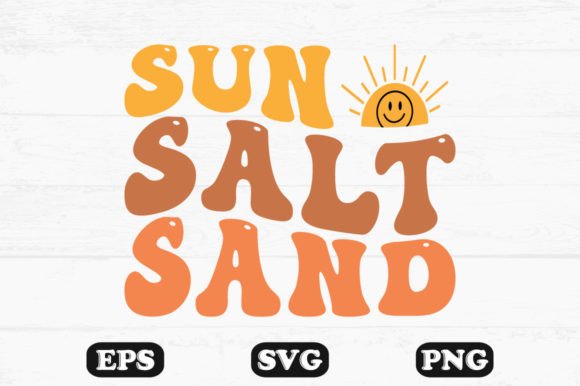
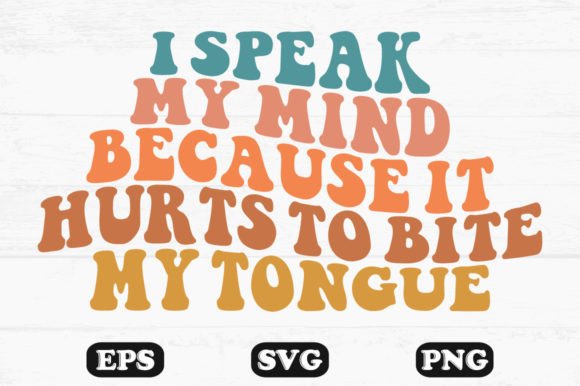
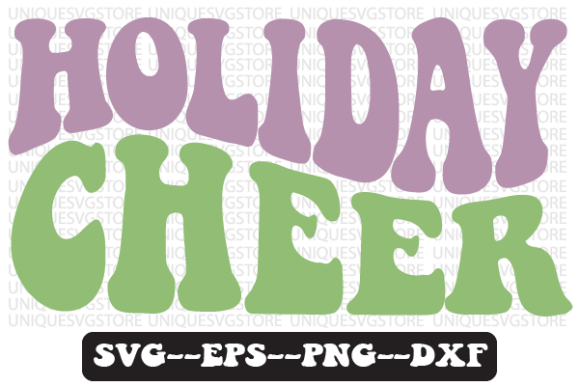
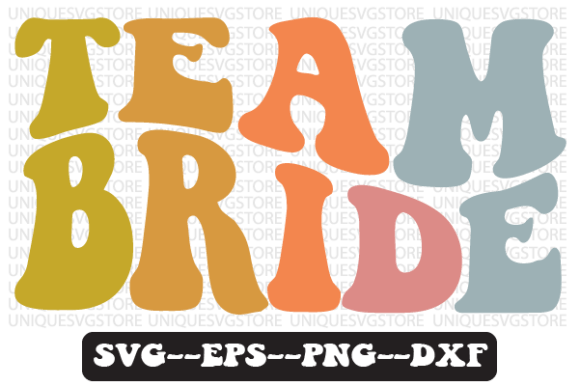
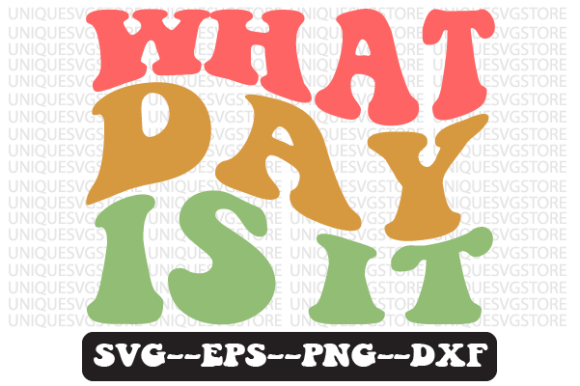
The moment I opened the What Day is It Wavy Retro Svg Design, I noticed its soft, undulating text style paired with a retro color palette. This isn’t your typical bold modern typography. Instead, it channels vintage vibes with a gentle wave in each letter, reminiscent of old-school record covers or 70s signage. The layout is centered and balanced, which gives it a friendly and approachable feel.
It’s clear this design was crafted with a specific mood in mind — something fun but not too flashy. As a graphics file for crafts, it strikes a nice balance between whimsy and professionalism. I could see it fitting well on custom apparel like sweatshirts or tote bags, especially if you're aiming for a boutique-style aesthetic or a personalized gift with a retro twist.
Visual Personality and Project Fit
With its wavy form and rounded edges, the design naturally gravitates toward softer products. Think baby onesies, cozy hoodies, or even kitchen towels. It doesn’t scream “I’m embroidered,” but rather blends seamlessly into the fabric, creating a subtle yet stylish look. The detail level is moderate — enough to make it interesting without being overwhelming for stitchers or wearers.
I also appreciate how it looks when printed as a PNG for sublimation. The clean lines and lack of overly intricate elements make it easy to scale and transfer onto different materials. Whether it's a mug or a wall art piece, the design maintains its character without distorting or losing clarity.
Real-Life Embroidery Performance
Let’s talk about how this design performs in actual embroidery applications. I tested it on a few common items in my craft business: a cotton sweatshirt, a linen tote bag, and a felt patch for a customer order. Each test revealed strengths and considerations worth sharing.
- Custom Apparel: On a medium-weight cotton sweatshirt, the design stitched cleanly using satin and fill stitches. The wavy script didn’t distort during the stitching process, and the final result had a soft, handcrafted appearance. Perfect for small shop merchandise or Etsy listings.
- Tote Bag Design: When applied to a linen tote, the design stood out nicely against the textured background. However, I had to adjust the stitch density slightly to prevent puckering due to the fabric’s looser weave. Using a light stabilizer underneath helped keep things smooth.
- Baby Embroidery: For a baby onesie, the font size was just right. No tiny letters to worry about, so no issues with readability after stitching. The pastel-like colors gave it a sweet, gender-neutral appeal, ideal for holiday gifts or nursery decor.
Another great use case I considered was applying it to a decorative pillow cover. The retro feel matched beautifully with a shabby-chic or bohemian interior theme. In that scenario, the design added visual interest without overpowering the overall look — a big plus for handmade product designers looking to maintain a cohesive style.
Sublimation and Printable Mockups
If you're working with printable PNGs for sublimation, the What Day is It Wavy Retro Svg Design is a winner. The soft curves translate well to heat presses, and the colors remain vibrant on ceramic mugs and polyester-based fabrics. I used it on a drinkware line and found it looked fantastic, especially when paired with minimalist designs or neutral backgrounds.
For digital product sellers, the design can be incorporated into printable mockups easily. Its distinct style makes it recognizable and marketable across platforms. I’d recommend using it in combination with other retro-themed assets to build a cohesive brand identity, whether you’re selling digital embroidery files or finished products.
Where to Use With Caution
While this design is versatile, there are some situations where extra care is needed. Here are a few real-life scenarios where I’d hesitate before using it out of the box:
- Small Hoop Sizes: If you plan to stitch this on a very small hoop, such as for a button or cap, the wavy nature might not come through clearly. The design needs space to breathe.
- Textured Fabrics: On fabrics like canvas or denim, the stitch definition may get lost unless you adjust the tension and stabilize carefully.
- Thin or Stretchy Fabrics: Delicate materials like silk or stretchy knits could cause distortion, especially in the curved parts of the letters. Consider using a tear-away stabilizer and reducing stitch density.
- Dark Fabric Backgrounds: While the design works well on lighter tones, printing it on dark fabric requires a high-contrast thread color. Otherwise, it risks becoming a faint shadow rather than a statement.
- Curved Surfaces: Stitching on caps or curved surfaces can challenge the integrity of the design. I suggest testing the placement first and possibly resizing segments individually to follow the curve more naturally.
Design Details That Matter
One thing I always check is the thread color contrast. This design uses muted tones, which can be charming but might not pop as expected on all materials. I made a black-and-white version of the design to visualize how it would appear on darker fabrics — a smart move for any embroidery project that will go into production.
Also, the stitch density is generally good, but on thicker materials like blankets or aprons, I found that it benefits from a slight reduction in density to avoid stiffness. The corners and joins are smooth, which is a relief for those who want to ensure professional-looking results without having to manually tweak every element.
Customer Reactions and Market Appeal
In one of my recent Etsy shops, I added this design to a line of personalized sweatshirts and tote bags. The feedback from customers was overwhelmingly positive. They loved the retro aesthetic and mentioned it felt unique compared to the usual block-letter styles. One client even said it reminded them of their grandmother’s kitchen — a powerful emotional connection that can boost buyer engagement and repeat sales.
From a branding perspective, the design adds a touch of nostalgia that resonates with creative entrepreneurs and small shop owners. It fits neatly into a lifestyle or boutique brand, especially for holiday gifts or wedding favors. The consistent shape and spacing help with brand recognition over time, and the soft script gives off a warm, inviting vibe.
Handmade Presentation and Giftability
When it comes to handmade product presentation, the What Day is It Wavy Retro Svg Design elevates the perceived value of the item. Customers tend to associate soft, flowing fonts with quality and thoughtfulness. Even simple items like tea towels or aprons become more appealing when adorned with this kind of design.
As a personalized gift option, it stands out. People love knowing what day it is, and this design makes it a conversation starter. Imagine adding it to a custom baby cap or a monogrammed towel set — the design brings a sense of playfulness that feels intentional and meaningful.
Designer Notes for Optimal Results
Before jumping into a full batch or commercial embroidery project, here are a few practical tips based on my experience:
- Test on Scrap Fabric First: Always do a trial run. Especially with a design like this, where texture and fabric thickness can affect the outcome.
- Check Thread Color Contrast: Make sure the chosen thread colors stand out against your fabric. Don’t rely solely on the default colors provided in the file.
- Review Stitch Density: Depending on your material, you may need to tweak the stitch density to prevent puckering or stiffness.
- Confirm Hoop Size: Ensure the design fits comfortably within your intended hoop dimensions. Avoid stretching or shrinking beyond recommended limits.
- Inspect Small Details: Although the design is mostly straightforward, double-check any subtle curves or joins to ensure they stitch cleanly.
- Use Proper Stabilizer: Especially on delicate or stretchy materials. Tear-away or cut-away stabilizers can make a big difference in the final look.
- Test in Black and White: This helps assess how visible the design will be without color influence, especially for white-on-white or tonal effects.
- Compare Light and Dark Backgrounds: See how the design reacts to different color schemes. You might be surprised by what works best.
- Verify Licensing: Before selling finished items or offering digital embroidery files, confirm that the design allows for commercial use. Licensing terms aren’t always obvious in free or low-cost offerings.
Final Thoughts
The What Day is It Wavy Retro Svg Design is a standout in the world of machine embroidery designs. It offers a fresh take on retro aesthetics that feels authentic and wearable. From a practical standpoint, it’s well-suited for a wide range of craft projects and commercial endeavors, especially when attention is given to fabric type, stabilizing, and thread selection.
Whether you’re an Etsy seller preparing for the holiday season or a hobbyist looking to add personality to your handmade items, this design has the potential to enhance your product lineup. Just remember to tailor it to your materials and audience, and don’t hesitate to experiment with color combinations or placements.
In short, this isn’t just another SVG design — it’s a thoughtful asset that can elevate your craft business or personal embroidery projects with a dash of timeless charm.