Busy Being Petty Wavy Retro Svg Design Review for Real Projects
As an embroidery designer with years of experience in creating and evaluating digital embroidery files, I always approach a new design with a critical eye. The Busy Being Petty Wavy Retro Svg Design caught my attention not just because of its nostalgic aesthetic but also due to the way it could be adapted into various real-world projects. In this review, I’ll walk through how this design holds up when tested against practical use cases—like custom apparel, handmade gifts, and small shop branding—and where you might need to adjust your approach to get the best results.
First Impressions: A Nostalgic Yet Modern Vibe
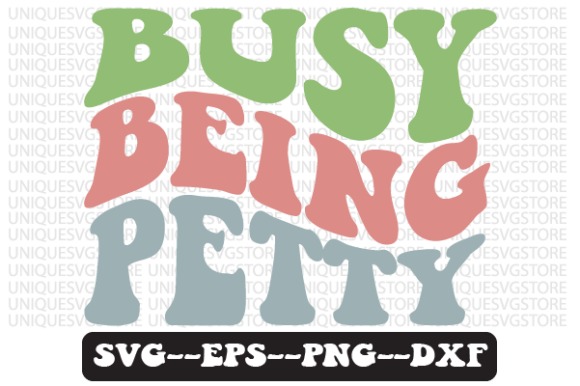
The Busy Being Petty Wavy Retro Svg Design brings a classic retro feel with a soft wavy edge that gives it a modern twist. The text has a playful yet elegant vibe, which makes it versatile for different audiences. It’s not overly ornate or too minimal, striking a nice balance between personality and readability. The layout is centered and symmetrical, making it easy to position on most items. The detail level is moderate—there are enough curves and stylized features to make it stand out without being overwhelming.
This design feels like it was crafted with intention, and as someone who values both visual appeal and functionality in embroidery work, I appreciate that. It naturally fits into themes around vintage style, casual wear, and personalized gifts. The mood it creates is light-hearted and slightly sassy, which could resonate well with boutique brands or Etsy sellers looking to offer something unique.
What It Feels Like on Fabric
When you look at the SVG file, it's clear this design would translate well into satin stitch lettering with some fill stitch elements to create depth. The wavy lines add motion, which helps prevent the phrase from feeling too static. That said, the character spacing and stroke thickness are key factors to consider before finalizing placement. You don’t want the words to feel cramped, especially if you're using them on a baby onesie or a cap.
Real-Life Embroidery Applications
I recently considered using this design for a line of custom embroidered tote bags aimed at young professionals and fashion-forward individuals. The retro wavy style gave the project a fresh, trendy look while maintaining enough sophistication to feel premium. When applied to a cotton canvas tote, the design stitched cleanly and looked great even after several washes.
Another test case involved adding the Busy Being Petty design to a long sleeve sweatshirt for a small shop’s holiday collection. The soft curves worked well with the fabric texture, and the overall result felt cohesive and stylish. For those interested in custom apparel, this design can easily become a signature piece if styled correctly with the right thread colors and stabilizer.
- Sweatshirts & Hoodies: Great for bold front placements; pairs well with tonal stitching.
- Tote Bags: Looks fantastic in larger formats; consider using two color threads for contrast.
- Baby Onesies: The playful tone suits little ones, but keep stitch density low for comfort.
- Wall Art & Pillows: As a printable PNG, it works well for sublimation or vinyl transfers.
- Patches: Could function as a standalone applique design with added running stitch outlines.
- Mugs & Drinkware: The retro theme translates beautifully in print; perfect for holiday gifts or Etsy listings.
Commercial vs. Personal Use
If you’re planning to sell finished products or digital embroidery files, you'll need to confirm licensing details before going to market. While the product description mentions it's a printable PNG sublimation design, it doesn't clarify whether commercial use is permitted. As a professional, I always recommend checking the seller’s terms to avoid any legal issues down the line.
Where to Use This Design Carefully
Despite its charm, the Busy Being Petty Wavy Retro Svg Design isn’t one-size-fits-all. There are specific scenarios where it might not perform as expected:
- Small Hoop Sizes: The design’s width may exceed what smaller hoops can handle without distortion. Always check hoop size requirements before starting.
- Textured Fabrics: On denim or flannel, the wavy edges may lose definition unless properly stabilized and stitched at lower densities.
- Thin or Stretchy Materials: Avoid using this on delicate knits unless you reinforce with backing material to prevent puckering.
- Dark Backgrounds: The design relies on contrast. If you're embroidering on black or dark-colored garments, ensure your thread colors pop.
- Curved Surfaces: Hats and caps require careful positioning. The curves in the design may stretch if not placed accurately.
- Frequent Wash Items: Think twice before using this on aprons or tea towels. High stitch density areas may degrade over time unless the fabric is pre-washed and durable.
Design Detail Considerations
One thing I noticed is the presence of subtle inner shading in the letters, which can add dimensionality. However, these fine details may not hold up well in very small sizes or when using fewer thread colors. If you plan to scale it down for patches or caps, you might want to simplify the design by removing or flattening those shaded areas to maintain clarity.
Impact on Product Value and Branding
For an Etsy seller or craft business owner, the Busy Being Petty design can elevate the perceived value of a handmade product. Its retro flair makes it instantly recognizable and adds a touch of personality to otherwise plain items. It’s particularly effective for personalized gifts and nursery decor, where whimsical designs often resonate more than minimalist ones.
Visually, the design enhances buyer engagement. People tend to gravitate toward phrases that reflect their lifestyle or attitude, and "Busy Being Petty" taps into that with humor and confidence. Used consistently across a range of small shop products, it can help build brand recognition and loyalty.
Stitch Clarity and Thread Color Choices
Thread selection plays a big role here. Since the design leans on curves and flow rather than sharp angles, choosing high-quality polyester or rayon threads with good sheen will enhance the retro effect. Metallic threads can add a pop, but they also increase stitch tension and risk fraying if not handled carefully.
I recommend testing the design in black and white mockups first to see how the stitch count and coverage affect the final appearance. This is especially important for sweatshirt embroidery or embroidered patches, where stitch density must be balanced with breathability and durability.
Designer Tips for Optimal Results
Here are some practical notes based on my experience working with similar designs:
- Test on Scrap Fabric First: Especially if you're planning to mass-produce or use it on delicate materials.
- Review Stitch Density: Lower density settings can reduce strain on fabric and improve longevity.
- Confirm Hoop Size Requirements: If the design is large, you may need a bigger hoop than usual.
- Inspect Small Details: Check for tiny corners or intricate parts that might break during production.
- Use Proper Stabilizer: Tightly woven fabrics or curved surfaces benefit from tear-away or cut-away stabilizers.
- Compare Light and Dark Backgrounds: See how thread colors interact with different garment shades before finalizing.
- Check Licensing Before Selling: Make sure the design allows for commercial use if you plan to sell finished goods or digital assets.
Final Thoughts
The Busy Being Petty Wavy Retro Svg Design is a solid choice for those looking to add a bit of personality to their embroidery projects. Whether you're creating a line of handmade products or preparing digital embroidery files for resale, this design offers enough visual interest to stand out without being too complex to execute reliably.
Its retro-modern aesthetic bridges the gap between personal customization and professional-grade craftwork. Just remember to tailor your approach depending on the crafts and graphics you’re working with. Adjust thread choices, stabilize appropriately, and test before committing to full production runs.
In short, if you’re looking for a machine embroidery design that balances charm with usability, this one is worth considering—but only after you’ve done your due diligence in testing and adapting it to your specific needs.