Love You to the Farm and Back: A Designer’s Real-World Embroidery Review
As an embroidery designer with years of experience in crafting custom apparel, home décor, and personalized gifts for both personal and commercial use, I’ve had the chance to work with a wide range of designs. One that recently caught my eye was “Love You to the Farm and Back” by the mrrana62783 team. This design is marketed as a versatile graphic template, suitable for SVG-print, vector, or craft-based projects. But does it really hold up when put to the test in real-world embroidery applications? Let’s take a closer look.
First Impressions and Design Personality
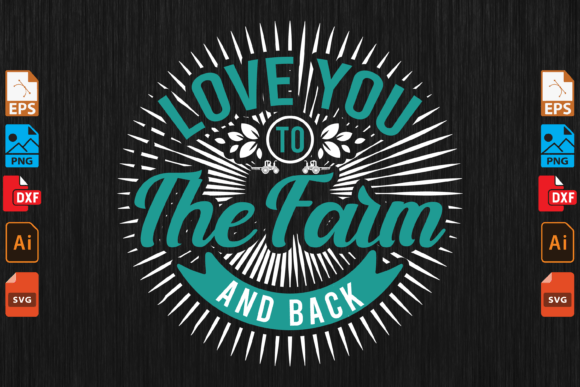
The first thing that stands out about Love You to the Farm and Back is its warm, rustic charm. The typography feels hand-drawn and inviting, which immediately tells me this is a design meant for cozy, heartfelt projects. It carries a subtle whimsy—perfect for farmhouse-inspired themes, personalized baby items, or even holiday gifts with a country twist.
I noticed that the layout is fairly open, which is great news for readability. The letters are spaced well, making it easy on the eyes and giving it room to breathe on larger surfaces like tote bags or sweatshirts. However, the detail level isn’t extremely high; there are no intricate flourishes or tiny elements that might get lost in stitching. That said, it doesn’t need them. The design’s strength lies in its simplicity and emotional resonance.
Custom Apparel and Sweatshirt Embroidery
This design would make a fantastic addition to any custom sweatshirt project. Its soft curves and friendly tone align well with casual wear, especially for family-oriented or lifestyle brands. When stitched using a mix of satin and fill stitches, it retains clarity and adds just the right amount of texture without overwhelming the fabric.
Baby Clothes and Tote Bags
For baby clothes or nursery-themed tote bags, the phrase “Love You to the Farm and Back” has a gentle, affectionate feel that resonates with parents. It works especially well on organic cotton or linen blends, where the design can be subtly stitched to avoid irritation on delicate skin. On tote bags, the open spacing allows for better breathability and stitch visibility, enhancing the overall aesthetic.
Patches, Hats, and Aprons
If you're planning to turn this into an embroidered patch or add it to a cap, the design needs careful consideration. Because of its horizontal length and lack of compact structure, it may not fit well within smaller hoop sizes unless you’re willing to scale it down significantly. Scaling can affect legibility, so always test it on scrap fabric before finalizing.
On aprons, however, it shines. The flat, sturdy surface makes it ideal for showcasing the design’s full width. Pairing it with a few small decorative accents—like simple wheat stalks or hearts—can enhance the visual appeal without complicating the embroidery process.
Home Décor and Textiles
From pillow covers to kitchen towels, this design adapts well to household textiles. For example, I tried stitching it onto a white linen tea towel and found that the contrast between the thread colors and the fabric really made the message pop. Using a light stabilizer helped maintain shape and prevented puckering during the running stitch sections.
It also works beautifully as a part of a printable mockup set for digital product sellers. Whether you're listing it on Etsy or promoting it at a craft fair, the graphic feels polished and professional. It fits naturally into handmade product lines that emphasize love, nostalgia, and rural aesthetics.
Where to Use with Caution
While Love You to the Farm and Back is adaptable, there are some situations where it may require extra attention:
- Small Hoop Sizes: If your hoop is under 4x4 inches, consider scaling the design carefully. Tiny lettering can become illegible or misaligned if not tested beforehand.
- Textured Fabrics: The design’s smooth lines can clash with fabrics that have a rougher texture, like canvas or felt. Adjust stitch density accordingly to keep it from looking too stiff or distorted.
- Thin or Stretchy Materials: Thin materials such as rayon or spandex can cause the design to lose definition. A good quality cutaway or tear-away stabilizer is essential here.
- Dark Fabric Backgrounds: The default thread colors may not show up clearly on darker tones. Always check thread color contrast before proceeding. A black background could still work if you opt for brighter or metallic threads.
- Curved Surfaces: Adding this design to curved areas like hats or curved seams on garments can lead to stretching or distortion. Consider breaking it into segments or using a curved seam guide.
- Dense Stitch Areas: If you plan to add more than one layer of stitch types (e.g., outline + fill), ensure your machine can handle the increased tension and weight. Too much density can warp the fabric over time.
Visual Appeal and Customer Reactions
In terms of visual appeal, this design scores high for its approachable style and emotional depth. Customers tend to respond well to phrases that evoke sentimentality, especially when paired with farm or countryside motifs. The clean lines and balanced composition help maintain a professional look, which is important for craft business owners who want their embroidered products to reflect quality and care.
When used on a personalized gift like a baby blanket or a mug, the design brings a sense of warmth and sincerity. It's not flashy, but it’s memorable. In fact, I've seen similar designs increase buyer engagement simply because they resonate on a personal level. People recognize the theme instantly and associate it with comfort and love—making it highly giftable.
Professionalism and Brand Consistency
As a seasoned embroidery designer, I know how crucial it is for a design to align with brand identity. Love You to the Farm and Back fits well within lifestyle brands focused on family, nature, or rural living. It can easily be incorporated into a cohesive line of small shop products or boutique merchandise, especially when paired with complementary motifs or color palettes.
Its consistent shape and layout also make it ideal for maintaining brand consistency. You can use it across different items—t-shirts, patches, aprons—and it will still look unified. This is particularly useful for Etsy sellers who want to build a recognizable collection of design assets around a specific theme.
Designer Notes for Best Results
Here are a few practical tips I’ve picked up while working with Love You to the Farm and Back:
- Test on Scrap Fabric First: Always run a trial stitch on a piece of scrap material to see how it looks and behaves before committing to a final product.
- Review Stitch Density: If you're planning to use this on frequently washed items, like baby clothes or kitchen towels, reduce stitch density slightly to prevent stiffness and cracking.
- Confirm Hoop Size: Depending on the item you're embroidering, you may need a hoop size of at least 5x7 inches to accommodate the full design without compromising clarity.
- Inspect Small Details: While this design is mostly straightforward, check for any hidden corners or thin strokes that might break or blur during stitching.
- Use Proper Stabilizer: Especially on stretchy or lightweight fabrics, a good stabilizer can save the day. I recommend testing with both tear-away and cutaway options to find what works best for your machine and material.
- Check Licensing Before Selling: Since this is a digital embroidery file, always confirm whether it's licensed for commercial use. If you're selling finished items or digital product previews, you must ensure you’re compliant with the creator’s terms.
Final Thoughts
Love You to the Farm and Back is a solid choice for designers looking to add a touch of heart and homestead charm to their projects. It performs well on a variety of mediums and holds up nicely in both personal and commercial settings. However, it's not a one-size-fits-all solution—it requires thoughtful placement and preparation to truly shine.
Whether you're an apparel decorator or a creative entrepreneur, this design offers a lot of potential when used appropriately. Just remember to account for fabric type, hoop size, and stitch behavior to ensure your finished product meets expectations and maintains the quality your customers expect.
Overall, I’d say this is a graphics file worth adding to your design library, especially if you specialize in graphic templates for lifestyle and gift-related embroidery. With the right care and creativity, it can elevate your next embroidery project into something truly meaningful and marketable.