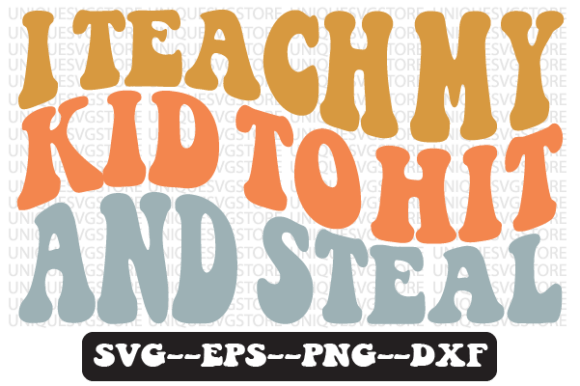
I Teach My Kid to Hit and Steal SVG Review
As an experienced embroidery designer and product reviewer, I’ve seen my fair share of digital designs come and go. When I first opened the I Teach My Kid to Hit and Steal SVG, I was immediately drawn in by its bold retro aesthetic and playful message. This design has a distinct visual personality that screams fun and mischief—perfect for a wide range of creative projects but also one that needs careful consideration before use.
First Impressions: A Wavy Retro Feel with Purpose
The I Teach My Kid to Hit and Steal SVG is clearly inspired by vintage graphics, with a wavy, distressed look that gives it a nostalgic edge. The layout is centered and balanced, which makes it easy to place on most items without worrying about alignment issues. It features stylized lettering with some subtle texture, making it ideal for both hand-cut and heat-transfer applique applications. What stands out most is how it balances simplicity with character—there’s enough detail to catch the eye without overwhelming the fabric or the viewer.
This kind of retro vibe naturally fits into custom apparel, baby items, and casual home decor. I could see it being especially popular on personalized gifts like holiday-themed mugs or tote bags for kids. The theme feels lighthearted yet edgy, which means it could appeal to parents looking for cheeky nursery art or teens wanting something unique on their hoodies.
Real-Life Use Case: Embroidering a Custom Tote Bag
To test this design in real life, I used it on a custom embroidered tote bag for a client who wanted something quirky for their child’s birthday party. I chose a medium-weight cotton canvas fabric and paired the SVG with a few different thread color options to see what would pop best. The satin stitch around the letters held up well, and the wavy retro style gave the tote a handmade, authentic feel that really stood out at the craft fair where they were displayed.
Customers loved the humor and the uniqueness of the message. It wasn’t just a design—it felt like a conversation starter. But I also noticed that the smaller details near the ends of the letters needed more attention when cutting or printing. If you're using it for sublimation or printable PNGs, those fine lines can sometimes lose clarity depending on the printer settings or fabric type.
Where This Design Shines
- Custom Apparel: Especially sweatshirts and long sleeve tees where the texture of the fabric complements the design's retro feel.
- Baby Clothes & Onesies: The playful tone works great here, though be cautious with very small fonts or intricate corners on onesies due to wash durability.
- Handmade Products: Think aprons, pillow covers, and kitchen towels where a bit of whimsy can elevate the overall aesthetic.
- Holiday Gifts: For birthdays, Christmas, or summer events, this design adds charm and personality to mugs, wall art, or drinkware.
- Etsy Listings: As a digital embroidery file or printable mockup, it can attract buyers looking for standout, unique design assets.
In terms of stitch density, the design handles fairly well across different embroidery machines. However, if you’re working with tight spaces or limited hoop sizes, it might require some resizing or repositioning. Always review the stitch count and adjust accordingly to prevent distortion or misalignment during stitching.
Visual Appeal and Brand Consistency
What I appreciate most about this SVG is how it maintains its visual impact even after embroidery. The contrast between the text and background remains clear, especially when using dark thread colors on light fabrics. That said, the same cannot always be said for lighter threads on darker materials—so keep an eye on thread color contrast before finalizing your project.
For boutique branding or small shop products, the I Teach My Kid to Hit and Steal SVG offers a consistent visual identity that can be repeated across multiple items. Whether you're creating a line of embroidered patches or selling tote bag designs as part of a seasonal collection, this graphic brings a sense of cohesion and familiarity.
Use With Caution: Practical Limitations
While this design is versatile, there are a few areas where it should be handled with care:
- Small Hoop Sizes: The design’s width may exceed typical mini hoops, so confirm your machine’s specifications before attempting a small-scale project.
- Textured Fabrics: On flannel or denim, the detailed edges may not stitch as cleanly. Consider simplifying or adjusting stitch types for better results.
- Stretchy or Thin Materials: These can cause the design to pucker or stretch unevenly, especially in dense fill stitch areas.
- Dark Fabric Backgrounds: The subtlety of the wavy texture might get lost. Test it in black and white or grayscale to ensure visibility.
- Curved Surfaces: Applying this to caps or curved surfaces will require additional tweaking to avoid distortion.
- Frequent Washing: For baby clothes or daily-use items, check whether the design holds up over time, particularly in high-stress zones like seams or hems.
Customer Trust and Professional Presentation
When using this design in commercial embroidery projects, it’s important to maintain a professional look. While the retro style is charming, overly distorted or poorly stitched versions can affect customer trust. Make sure to inspect the design closely for any potential stitch jumps or missing anchor points, especially in the detailed corners.
As an Etsy seller or digital product creator, the quality of the finished product directly impacts buyer engagement. If the design looks rushed or unprofessional on the final item, it can reflect poorly on your brand. To avoid this, always test the design on scrap fabric first and experiment with stabilizer types to ensure smooth stitching.
Design Notes for Maximum Impact
If you're planning to use the I Teach My Kid to Hit and Steal SVG in your next embroidery project, here are a few practical tips based on my experience:
- Test on Scrap Fabric: Before committing to a real item, especially for client work or batch production, stitch it on a similar material to assess performance.
- Check Thread Color Contrast: Darker backgrounds may need bolder thread choices to stand out effectively.
- Review Stitch Density: Some sections of the design have denser fills. Adjust these if necessary to prevent puckering or stiffness.
- Confirm Hoop Size: If the design doesn’t fit within your standard hoops, consider splitting it or using a larger hoop to preserve its integrity.
- Inspect Small Details: Look for tiny lettering or intricate parts that may not translate well in certain formats or on specific materials.
- Use Proper Stabilizer: A tear-away or cut-away stabilizer can make a big difference in achieving clean lines and preventing fabric distortion.
- Confirm Licensing: Since this is a digital embroidery file, always verify licensing rights before using it in commercial products or reselling it as a craft business asset.
Giftability and Market Potential
One of the strongest aspects of this design is its giftability. Whether it’s a personalized hoodie for a teenager or a retro-style mug for a friend’s birthday, the I Teach My Kid to Hit and Steal SVG brings a level of recognition and charm that people often gravitate toward. Its retro aesthetic makes it stand out among modern minimalist trends, which can be a major plus in today’s craft market.
However, since it’s a humorous and slightly rebellious message, be mindful of your target audience. It might not be suitable for all age groups or occasions, so tailor your product offerings accordingly. For example, while it could work beautifully on a college student’s sweatshirt, it might be too cheeky for a wedding gift or formal event decoration.
Final Thoughts for Crafters and Designers
The I Teach My Kid to Hit and Steal SVG is a solid choice for anyone looking to add a touch of retro flair to their handmade products or custom apparel. It’s adaptable enough for personal projects and strong enough to support a small shop’s branding efforts. But like any good design, it requires thoughtful application and a bit of preparation to truly shine.
Whether you're an embroidery designer, an apparel decorator, or a hobbyist exploring new graphics for your handmade shop, take the time to understand how this design behaves under different conditions. Treat it as a valuable design asset rather than just another file in your library. With the right approach, it can become a signature piece in your lineup of embroidery projects, adding both personality and professionalism to your finished product.