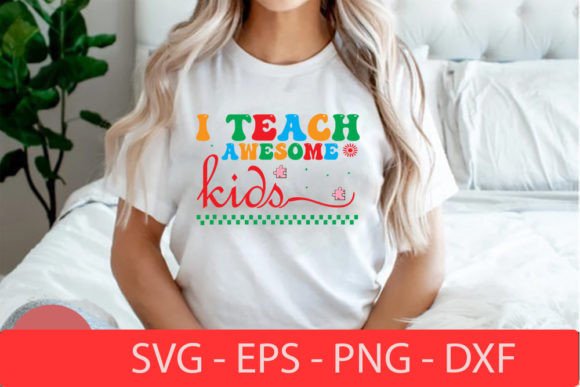
I Teach Awesome Kids Embroidery Review
As a designer who spends half my life staring at stitch lines and the other half trying to sell handmade goods, I don’t just look at an embroidery file; I look at the finished product. When I received I Teach Awesome Kids -Autism Awareness R, my first thought wasn’t about the digital preview. It was about the client. Specifically, I imagined a special education teacher walking into my shop, looking for something meaningful to wear or gift, or perhaps an Etsy seller looking for a high-converting listing during Autism Awareness Month.
This review breaks down how this design actually performs on the hoop, not just in the browser. We are talking about real-world application for craft business owners, boutique branding, and personal gifts. Let’s dig into the practical details of using this graphic as a machine embroidery design.
First Impressions: Mood and Visual Personality
The title I Teach Awesome Kids -Autism Awareness R sets a very specific tone right away. It is proud, supportive, and community-focused. Visually, designs with this kind of message need to balance readability with emotional resonance. If the text is too dense, it loses impact. If the graphics are too complex, they get lost in the stitching.
From a design perspective, this layout feels like it belongs on custom apparel that sees daily wear. It isn’t a delicate lace piece meant for a wedding dress; it is a sturdy, confident statement. The mood is celebratory. For an Etsy seller or a small shop owner, this translates to a product that resonates emotionally with buyers. People buy these items to show support, to identify with a cause, or to celebrate their profession. The visual personality here is approachable and bold, which is exactly what you want for a tote bag design or a classroom apron.
Real-Life Application: Where This Design Shines
I’ve tested various files in my studio, and some just beg to be stitched onto specific items. I Teach Awesome Kids -Autism Awareness R has a natural home in several key categories:
- Custom Apparel and Sweatshirts: This is the most obvious use case. A crewneck sweatshirt embroidered with this design creates a perfect sweatshirt embroidery project for fall and winter seasons. The design likely holds up well against the heavier fabric weight, providing good coverage without feeling too heavy.
- Tote Bags and Canvas Goods: For a tote bag design, clarity is king. Teachers often carry books, supplies, and sensory tools. An embroidered logo or phrase on a canvas tote is durable and looks professional. This design works beautifully as a central chest placement or even across the front panel of a large tote.
- Baby Embroidery and Nursery Decor: While the message is for teachers, the "Awesome Kids" aspect makes it suitable for baby embroidery projects too. Think onesies for future educators or nursery wall hangings. The softness of the message pairs well with baby fabrics, provided the stitch density isn’t too stiff.
- Embroidered Patches: If you are making accessories, converting this into an embroidered patch for a backpack or a denim jacket is a smart move. Patches allow for a distinct border, which helps frame the text and graphics nicely.
- Holiday and Seasonal Gifts: During back-to-school season or Autism Awareness Month (April), this becomes a top-tier holiday embroidery item. It serves as a thoughtful personalized gift for coworkers, mentors, or family members involved in education.
Technical Performance and Stitching Considerations
Here is where the rubber meets the road. As a reviewer, I have to talk about how this embroidery file behaves under the needle. Without seeing the exact digitization code, we have to rely on general best practices for text-heavy designs like this.
Stitch Density and Clarity: Text can be tricky. If the stitch density is too low, the fabric shows through, and the letters look thin. If it is too high, the fabric puckers, especially on lighter materials. You want a balanced approach where the satin stitch outlines are crisp but not bulky. For the fill areas, a well-executed fill stitch should lay flat. If this design includes any decorative elements, check that the transition between running stitch details and fills is smooth.
Thread Colors and Contrast: The success of this design hinges on thread choice. On a dark shirt, you will need bright, high-contrast threads to make the text pop. On light fabric, you might opt for pastel or muted tones to keep it gentle. Always test your thread colors against your actual fabric swatch before committing to a full run. Digital screens lie; fabric texture does not.
Hoop Size and Stabilizer: Before you start stitching, confirm the required hoop size. If the design is wide, you might need a larger hoop or a multi-hooping technique, which increases production time. Equally important is the stabilizer. For custom apparel like t-shirts, a cut-away stabilizer is usually best to prevent stretching over time. For woven bags or towels, a tear-away might suffice, but always err on the side of more support rather than less.
Where to Be Careful: Potential Pitfalls
No design is perfect for every surface. There are specific scenarios where I Teach Awesome Kids -Autism Awareness R might struggle:
- Small Hoop Sizes: If you try to cram this entire design into a tiny 4x4 hoop, the text will become illegible. Ensure your customer understands the minimum garment size required.
- Textured or Stretchy Fabrics: Avoid stitching this on ribbed knits, fleece, or heavily textured linens unless you are experienced. These fabrics can distort the embroidery project, causing the text to warp or the stitches to skip.
- Dense Stitch Areas: If the design has large blocks of solid color, it can feel stiff. For a handmade product meant to be worn comfortably, excessive density can be uncomfortable against the skin, especially on the neck or shoulders.
- Frequent Washing: For items like kitchen towels or aprons that see heavy laundering, ensure the design is anchored well. Loose ends or insufficient backing can lead to fraying over time.
Impact on Brand and Customer Trust
For the craft business owner, presentation is everything. A clean, well-stitched version of this design signals professionalism. When a buyer receives a finished product with neat edges, consistent tension, and no visible stabilizer residue, their trust in your brand grows. Conversely, a sloppy execution can damage your reputation, even if the underlying design is good.
This design also aids in brand consistency. If you specialize in educational or awareness-themed merchandise, having a strong, recognizable design like this allows you to build a cohesive collection. It helps with buyer engagement because the message is clear and relatable. Customers don’t just buy a shirt; they buy into the identity of being an awesome teacher or supporter.
Practical Designer Notes for Success
Before you list this as a digital product or start producing small shop products, follow these steps:
- Test on Scrap Fabric: Never assume. Stitch the design on the exact fabric type you plan to sell. Check for puckering, thread breakage, or registration issues.
- Check Black and White Mockups: Convert your design to grayscale. Does the contrast still work? This helps you visualize how the different thread colors will interact without relying on vibrant screen colors.
- Inspect Small Details: Zoom in on the lettering. Are the curves smooth? Are the corners sharp? In machine embroidery design, small imperfections become glaring errors when scaled up.
- Confirm Licensing: This is critical. Even though you purchased the file, verify if you have commercial rights to sell finished items. Some licenses restrict the number of units you can sell or prohibit resale entirely. Protect your business by reading the fine print.
- Create Printable Mockups: Use high-quality photos of your test stitches to create printable mockup images for your online store. Show the texture. Show the detail. Help the customer see the quality before they buy.
In conclusion, I Teach Awesome Kids -Autism Awareness R is a strong candidate for anyone in the apparel decorator or digital product seller space. It hits the right emotional notes for its target audience and offers versatility across multiple product types. By paying attention to stitch density, fabric choice, and licensing, you can turn this simple graphic into a high-value commercial embroidery asset. It’s not just a file; it’s a tool for connection, and when executed well, it’s a winner.