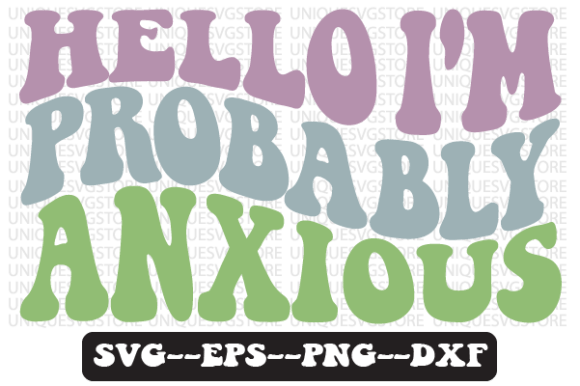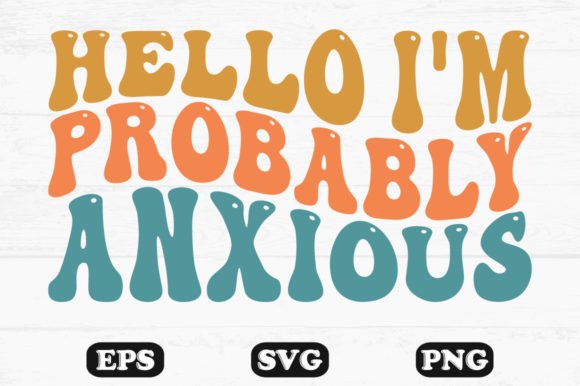
Hello I’m Probably Anxious Retro Designs
Real-World Performance in Embroidery Projects
As an experienced embroiderer, I know that the beauty of a design isn't just in its appearance but in how it performs under the needle. Hello I’m Probably Anxious Retro Designs is no exception. Its layout allows for flexibility across various formats—from satin stitch lettering to more elaborate fill stitch backgrounds.
- Custom Apparel: The design works particularly well on t-shirts and sweatshirts, especially when using a white or light-colored background. The wavy lines create a dynamic flow that complements the natural drape of these garments.
- Tote Bag Design: On a cotton canvas tote, the boldness of the quote stands out beautifully. I’ve found that using a black or navy thread color enhances the contrast significantly, making the text pop even after repeated washing.
- Baby Clothes & Patches: While the main design may be too mature for some infant items, parts of it—like the wave motifs—could be repurposed into smaller, subtler applique designs for patches or onesies. Just be sure to scale down appropriately and test stitch density.
- Aprons & Pillow Covers: These are excellent surfaces for the design, especially when paired with solid fabrics. The texture of linen or denim can actually enhance the visual appeal by adding a tactile element to the embroidery.
- Etsy Listings & Boutique Branding: As a digital product seller, I appreciate how this design can elevate the look of your offerings. It's versatile enough to pair with multiple mockups and fits well within a craft business aesthetic focused on authenticity and emotional resonance.
Where Caution Is Advised
- Small Hoop Sizes: The intricate wave patterns and detailed lettering may not translate well in tight spaces. You’ll need to confirm whether the file includes variations for smaller sizes or if you’re expected to manually edit the design.
- Stretchy or Thin Fabrics: These can distort the shape of the embroidery, especially around the edges of the waves. If you're working with stretch knits or delicate materials, consider reinforcing the area with a proper stabilizer before stitching.
- Dark Fabric Backgrounds: The design looks great on light fabrics, but on darker ones, the thread colors must be carefully chosen to maintain visibility. Always test on scrap material to avoid surprises.
- Curved Surfaces (Caps, Hats): The organic flow of the design might not align perfectly with the curvature of a cap unless you adjust the placement and possibly the file itself. Curved embroidery can be tricky, and this one needs attention to detail.
- Frequent Washing (Tea Towels, Blankets): Since the design contains fine details and potential dense stitch areas, it’s important to ensure it’s built with durability in mind. Check the stitch count and use high-quality threads to prevent fraying or distortion over time.
Visual Appeal and Customer Reaction
What really sets Hello I’m Probably Anxious Retro Designs apart is how it resonates emotionally. In today’s fast-paced world, people are gravitating toward designs that acknowledge complexity and vulnerability. This one does that subtly, which can make all the difference in customer engagement.
On a tote bag or sweatshirt, the design instantly becomes a conversation starter. It conveys a sense of self-awareness and humor, which many buyers find endearing. As a result, it can increase the perceived value of your handmade product, especially among customers who seek meaningful, personal touches in their purchases.
From a branding perspective, this design can help establish a consistent theme across your small shop product line. Whether you’re an Etsy seller or running a local craft fair booth, having a signature style helps build recognition and trust. The vintage aesthetic also pairs well with other retro-inspired design assets, allowing you to curate a cohesive collection of embroidered patches, aprons, or pillows.
Practical Designer Notes for Use
- Test on Scrap Fabric: Especially if you're planning to use it on textured or stretchy materials. Seeing how it reacts in person is invaluable.
- Check Thread Color Contrast: Darker threads may not show up as well on dark fabrics. Consider using lighter or metallic threads for better visibility.
- Review Stitch Density: Dense stitch areas may cause puckering or fabric distortion. Adjust settings or use a thinner stabilizer if needed.
- Confirm Hoop Size: Make sure your hoop can accommodate the full size of the design without forcing it into a smaller space.
- Inspect Small Details: Look closely at the corners and curves of the wavy elements. They should remain clean and defined after stitching.
- Use Black-and-White Mockups: This helps you visualize how the design will appear in grayscale, which is useful for monochrome embroidery or preview images.
- Compare Light and Dark Backgrounds: Test the design on different fabric colors to understand its versatility and impact.
- Choose the Right Stabilizer: Especially important for thin or stretchy materials. A tear-away or cut-away stabilizer can make a big difference in final quality.
- Confirm Licensing: Before selling any finished product or digital file, always check the licensing terms included with the design. Some SVG bundles are for personal use only, so it's crucial to know what you can legally offer.