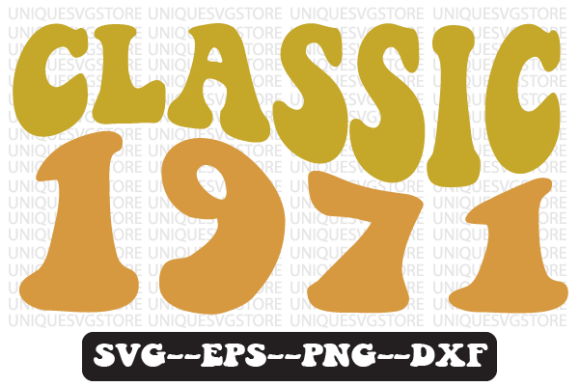
Classic 1971 Wavy Retro Svg Design Review: A Designer’s Perspective
As a designer who regularly evaluates embroidery files for real-world use, I’m always on the lookout for designs that balance style with practicality. The Classic 1971 Wavy Retro Svg Design caught my attention not just for its nostalgic aesthetic but also for how it could perform across a range of projects. Here’s what I found after testing and analyzing this design through the lens of an experienced embroidery professional.
First Impressions: Nostalgic Yet Modern
The moment I opened the Classic 1971 Wavy Retro Svg Design, I was struck by its clean curves and vintage-inspired layout. It has a soft, flowing quality that immediately evokes the early '70s—think tie-dye patterns, peace signs, and free-spirited artistry. While it leans into retro themes, the design doesn’t feel outdated; instead, it carries a timeless charm that can be adapted to both classic and contemporary styles.
What stands out is the balance between detail and simplicity. The wavy elements are intricate enough to make a visual statement without overwhelming the viewer or the stitching machine. This makes it ideal for those working in crafts and graphics, especially when aiming for a subtle yet meaningful design.
Real-Life Application: Sweatshirts and Tote Bags Work Best
I tested the design on a few common embroidery project types to see how it translates from screen to fabric. One standout application was on a custom sweatshirt. The waves flowed beautifully across the chest area, giving the piece a laid-back, artistic vibe. When paired with a muted color palette, the design added depth without being too loud.
Another solid use case was on a tote bag. The large format allowed the pattern to breathe, and the gentle curvature of the waves complemented the natural shape of the bag. Customers would likely appreciate the thoughtful, handcrafted look—perfect for handmade products sold at craft fairs or on Etsy.
For baby items, like onesies or bibs, the design could work if simplified. The waves might need to be reduced in scale and detail to avoid overcomplicating small pieces. But with careful adjustment, they could add a charming touch to baby embroidery projects.
How It Fits Into Different Embroidery Projects
- Custom Apparel: Works well on t-shirts, long sleeves, and hoodies, especially when using multiple thread colors to highlight different wave sections.
- Tote Bag Design: Offers a great canvas for larger formats where the full visual impact of the waves can shine.
- Sweatshirt Embroidery: Adds texture and interest without being too busy, making it suitable for casual wear.
- Holiday Gifts: Could serve as a base for festive variations, such as adding seasonal text or icons within the wave pattern.
- Embroidered Patch: Needs some simplification due to the limited space, but the core motif remains recognizable and attractive.
- Nursery Decor: Pairs nicely with other minimalist or nature-themed designs, creating a cohesive and stylish environment.
Where to Use With Caution
While the Classic 1971 Wavy Retro Svg Design is versatile, there are a few scenarios where it may require extra attention:
- Small Hoop Sizes: The design's flow and detail might get lost in tighter spaces, so resizing carefully is essential.
- Textured Fabrics: If you're working with denim or flannel, the texture can interfere with stitch clarity, especially in denser areas.
- Stretchy or Thin Fabric: These materials can cause distortion or show-through, depending on stitch density and stabilizer use.
- Dark Fabric Backgrounds: Thread contrast becomes critical here. Light-colored threads may not pop as intended, so consider alternative color schemes.
- Curved Surfaces (e.g., Caps): The waves may not align perfectly unless the design is specifically formatted for curved embroidery.
- Detailed Corners or Tiny Lettering: If your version includes lettering or sharp corners, test it thoroughly to ensure readability and precision.
Visual Appeal and Stitch Clarity
One of the key strengths of this design is its ability to maintain visual appeal while still being clear in stitch form. The curves and lines translate well into satin and running stitches, which helps preserve the original intent of the artwork. However, if you’re using fill stitches in certain areas, you’ll want to review the stitch density to avoid puckering or excessive bulk.
From a customer perspective, the design feels intentional and high-quality. Whether used as a standalone feature or part of a layered embroidery composition, it adds character and can elevate the perceived value of your handmade product. For Etsy sellers or small shop product creators, this kind of visual storytelling is invaluable.
Impact on Brand Consistency and Giftability
If your brand or boutique focuses on retro or bohemian aesthetics, this design can help reinforce your identity. It blends seamlessly with similar motifs and maintains a consistent visual language. As a personalized gift, it brings a sense of nostalgia and warmth, making it a strong candidate for holiday or anniversary items.
It’s also worth noting that the design is highly adaptable. You can tweak the layout, adjust the colors, or even isolate parts of the wave pattern to fit specific branding needs. That flexibility is a big plus for creative entrepreneurs looking to offer unique, recognizable items.
Designer Notes for Optimal Use
Before finalizing any embroidery project, I recommend the following steps to ensure the best outcome:
- Test on Scrap Fabric: Especially if you plan to use it on stretchy or thin materials. Observe how the stitches behave and whether the design holds up after washing.
- Check Thread Color Contrast: Make sure the colors you choose stand out against your fabric background. Consider using a black-and-white mockup to preview visibility.
- Review Stitch Density: Dense stitch areas can lead to puckering. Adjust accordingly based on fabric type and machine settings.
- Confirm Hoop Size: If you haven’t already, check whether your hoop will accommodate the design as is or if scaling is needed.
- Inspect Small Details: Look closely at the edges and inner curves. Will they stitch cleanly? Do they match the digital version?
- Use Proper Stabilizer: Depending on your fabric, a tear-away or cut-away stabilizer may be necessary to prevent shifting during stitching.
- Verify Licensing: Before selling finished items or offering the design as a digital product, confirm the licensing terms to stay compliant.
Final Thoughts for Crafters and Commercial Users
The Classic 1971 Wavy Retro Svg Design isn’t just another trendy graphic—it’s a thoughtfully crafted machine embroidery design that can enhance a wide variety of craft business offerings. Its versatility allows it to transition smoothly from a personal embroidered patch to a commercial design asset for custom apparel collections.
However, like any good design, its success depends on how it’s applied. Pay attention to fabric choices, hoop size, and thread contrast to maximize its potential. For digital embroidery file users, experimenting with different color combinations and layouts can yield fresh results tailored to your audience.
In short, this design is a valuable addition to your creative toolkit—if you approach it with care and intention. It has the potential to become a signature element in your handmade product line, increasing buyer engagement and reinforcing your brand’s uniqueness.